
Introduction
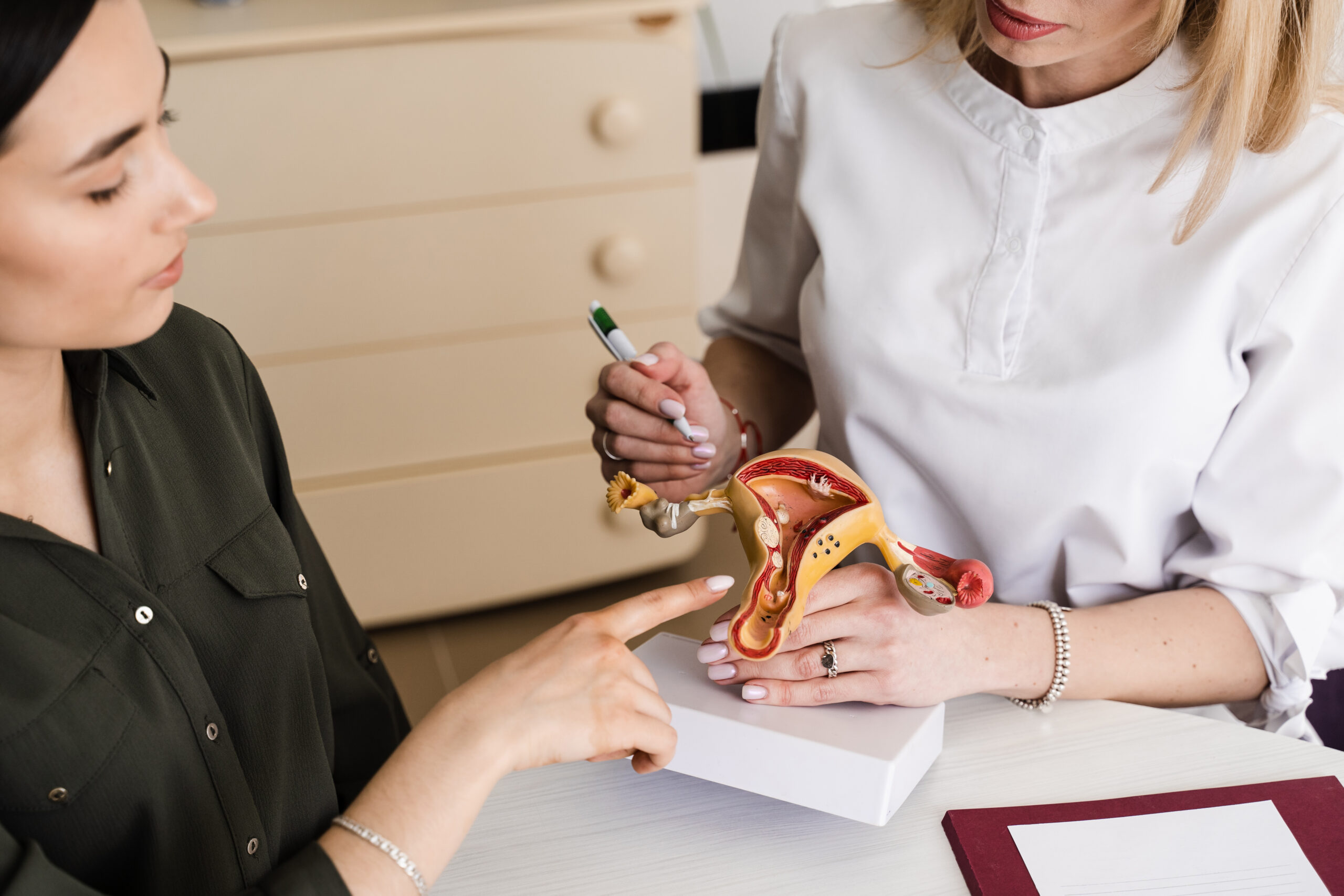
Adenomyosis is a condition where the tissue that lines the uterus grows into the uterine wall. This causes the wall to thicken and can lead to pain that feels like fibroid pain. Because the symptoms are similar, many women may not know which condition they have. However, understanding adenomyosis management is important for women’s health. With the right care, you can manage symptoms and improve your quality of life.
What is Adenomyosis?
Adenomyosis happens when the inner lining of the uterus, called the endometrium, grows into the muscle layer of the uterus. This is different from fibroids, which are non-cancerous growths in the uterus. While both can cause pain and heavy periods, adenomyosis leads to a thickened uterine wall. In contrast, fibroids are solid lumps. Knowing the difference between adenomyosis and fibroids helps doctors choose the best treatment.
Symptoms of Adenomyosis
Many women with adenomyosis have symptoms that affect daily life. Common signs include:
However, some women may have mild or no symptoms at all.
Causes and Risk Factors
Doctors are not sure what causes adenomyosis. Still, several factors may raise your risk. For example, women over 30 are more likely to get it. Also, those who have had children or uterine surgery may be at higher risk. Hormones like estrogen may play a role. Although the exact cause is unknown, knowing your risk can help you seek care early.
Diagnosis
Diagnosing adenomyosis can be tricky because its symptoms are like those of other conditions. First, your doctor will ask about your symptoms and medical history. Then, they may do a pelvic exam to check for a tender or enlarged uterus. Common tests include:
Because adenomyosis and fibroids can look alike, these tests help doctors find the right diagnosis.
Adenomyosis Management and Treatment Options
There are many ways to manage adenomyosis pain and symptoms. The best treatment depends on your age, symptoms, and plans for having children. Options include:
Non-Surgical Treatments
Surgical Treatments
For many women, a mix of treatments works best. However, always talk to your doctor about what is right for you. If you live in a large city, you may find adenomyosis specialists who offer advanced care.
Living with Adenomyosis
Managing adenomyosis is not just about medical treatment. Simple lifestyle changes can also help. For example, you can:
Although living with adenomyosis can be hard, these steps may make daily life easier.
Prevention and When to See a Doctor
There is no sure way to prevent adenomyosis. Still, regular check-ups can help catch problems early. You should see a doctor if you have:
Early care can help you find the best adenomyosis treatment and avoid complications.
Conclusion
To sum up, adenomyosis causes uterine wall thickening and pain that can feel like fibroids. However, with the right diagnosis and management, you can control symptoms and improve your well-being. Consult Brundavan Nursing Home for personalized guidance on adenomyosis management.